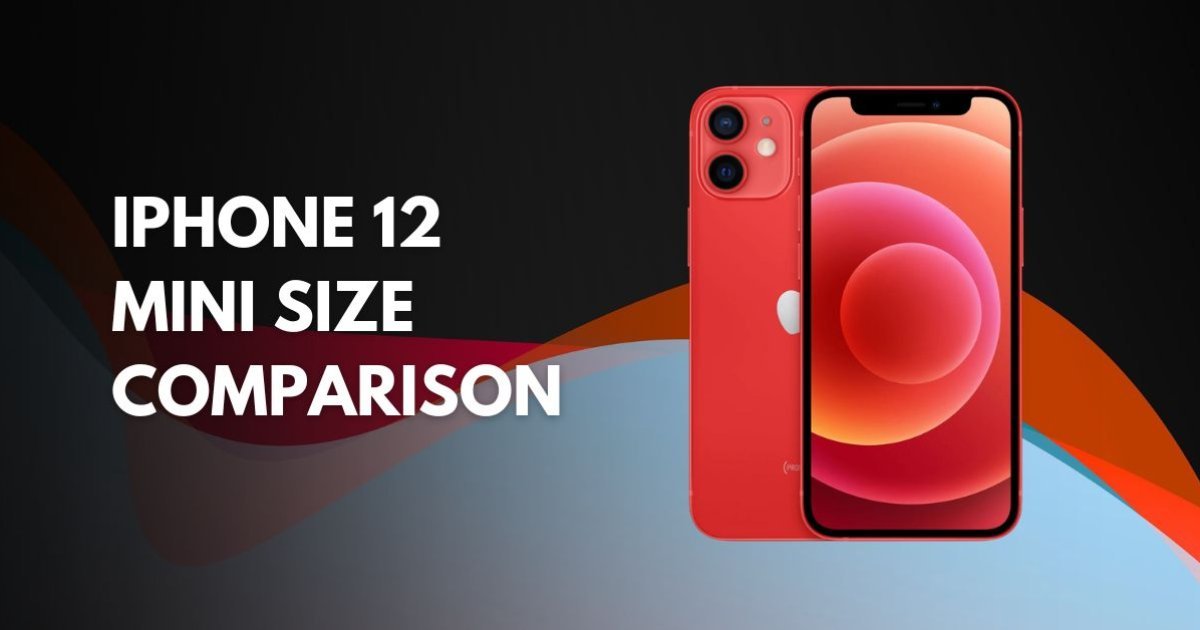
iPhone 12 Mini Size Comparison
iPhone 12 Mini Size Comparison: The Pocket King in 2026
In January 2026, the smartphone world had largely moved on to "Medium" and "Giant" as the only two size options. With the discontinuation of the mini line and the recent introduction of the ultra-slim iPhone Air, the iPhone 12 Mini has officially become a vintage curiosity, a relic of a time when Apple believed we wanted flagship power in a chassis that didn't stretch our palms.
But for a dedicated group of small phone enthusiasts, the 12 Mini remains the benchmark. As we look at the lineup in 2026, including the iPhone 17 and iPhone 16 Pro, the 12 Mini’s dimensions feel more radical than ever. If you are considering buying one refurbished or are just curious how it stacks up against modern titans, here is the ultimate size comparison.
1. The Raw Dimensions: Tiny by Every Metric
To understand how small the iPhone 12 Mini truly is, we have to look at the numbers. In 2026, the standard iPhone has grown slightly to accommodate larger thermal systems and bigger batteries.
The Takeaway: The 12 Mini is over 16mm shorter and 7mm narrower than the current iPhone 17. In the world of ergonomics, 7mm is the difference between your thumb reaching the top corner of the screen comfortably and having to do the smartphone shuffle to hit a back button.
2. iPhone 12 Mini vs. iPhone SE (2022/2024)
Many people mistakenly think the iPhone SE is the small iPhone because it has a 4.7-inch screen. However, because of the "Home Button" and massive bezels (the forehead and chin), the iPhone SE is actually physically larger than the iPhone 12 Mini.
The 12 Mini manages to cram a 5.4-inch OLED screen into a body that is significantly shorter and narrower than the SE. If you want the smallest possible device that still feels like a modern screen-only experience, the 12 Mini wins hands down.
3. iPhone 12 Mini vs. iPhone 17 Air
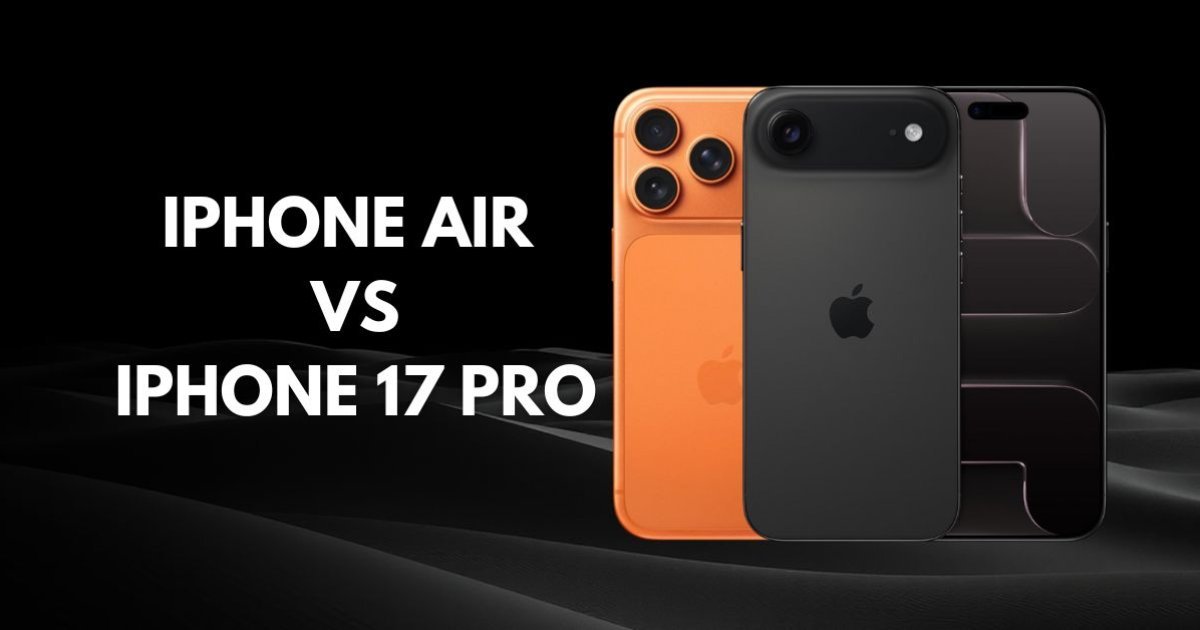
The newest trend in 2026 is the iPhone Air, which focuses on thinness (5.6mm) rather than compactness.
While the Air is impressively slim, it still features a large 6.5-inch screen. Comparing the two is a lesson in design philosophy: Compare side-by-side.
- The Air is designed to be invisible in a slim pocket but still requires two hands for most people to operate.
- The 12 Mini is designed for the one-handed world. You can reach every single pixel of the screen with your thumb without shifting your grip once.
4. The Weight Factor
At 133 grams, the iPhone 12 Mini is essentially a featherweight. For comparison, the iPhone 16 Pro weighs nearly 200 grams.
In 2026, we’ve spent years getting used to heavier titanium and stainless steel phones. Picking up a 12 Mini feels like holding a dummy unit or a toy. For users with carpal tunnel or hand fatigue, the weight reduction of the Mini is its most underrated feature.
A Brief Tangential Thought
Have you ever tried to use a modern iPhone 17 Pro Max while lying in bed? One slip and you’ve got a 230g titanium slab hitting your nose. The 12 Mini was the last safe bed-phone. (Rhetorical question: Did we trade away our comfort just so we could have bigger TikTok windows?)
The 2026 Reality: Why the Size Matters Now
In 2026, the 12 Mini faces a new challenge: iOS 26 and "Liquid Glass" animations. The A14 Bionic chip still handles the OS surprisingly well, but the small screen is starting to feel cramped for modern UI elements. Apps in 2026 are designed for 6.1-inch screens minimum. Text can feel tiny, and the "Notch" on the 12 Mini which was never shrunk like on the 13 Mini takes up a significant portion of the status bar.
However, the size is also its saving grace. Because it is so small, many users in 2026 are using the 12 Mini as a "Digital Detox" phone. Its battery life (which was always its weak point) is now a feature that discourages you from doomscrolling for six hours.